


WeGO Highlights Interoperability, Accountable AI, and Trusted Data Spaces at Luxembourg GRC Summit 2026

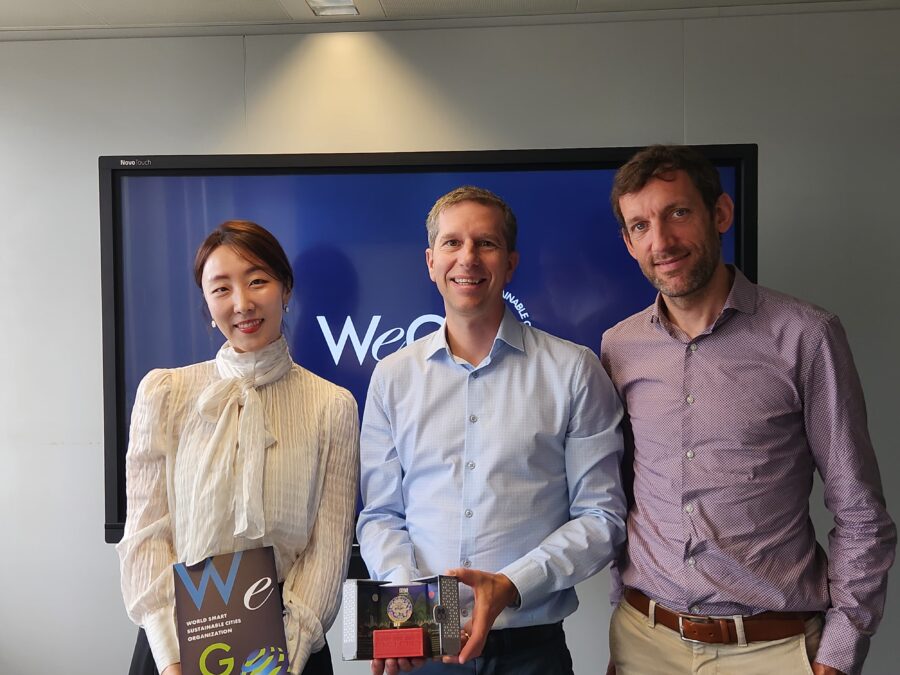
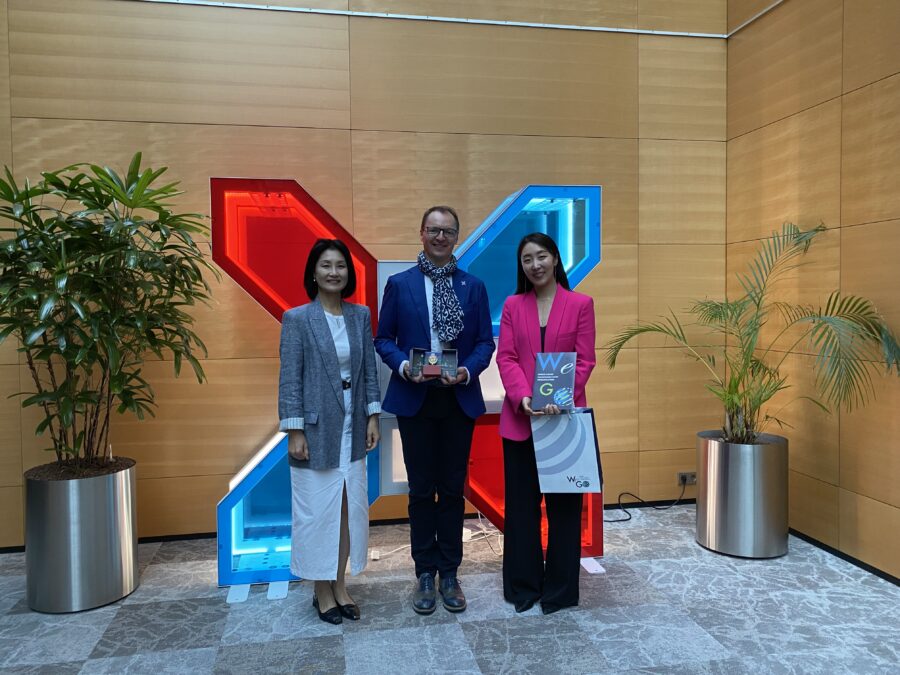
[Luxembourg, 3 June 2026] – The World Smart Sustainable Cities Organization (WeGO) participated in the Luxembourg GRC Summit 2026, joining international experts and policymakers to discuss interoperability, data governance, artificial intelligence, cybersecurity, and trusted digital transformation.
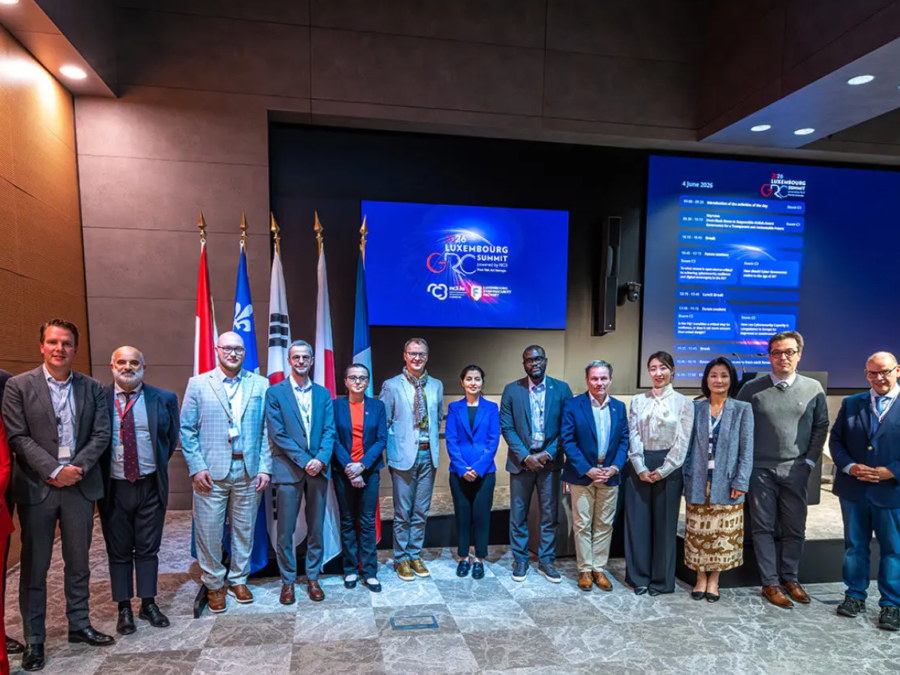
Held at the Luxembourg Chamber of Commerce, the Summit brought together representatives from governments, international organizations, academia, industry, and cybersecurity institutions to explore emerging challenges in governance, risk management, compliance, and digital innovation.
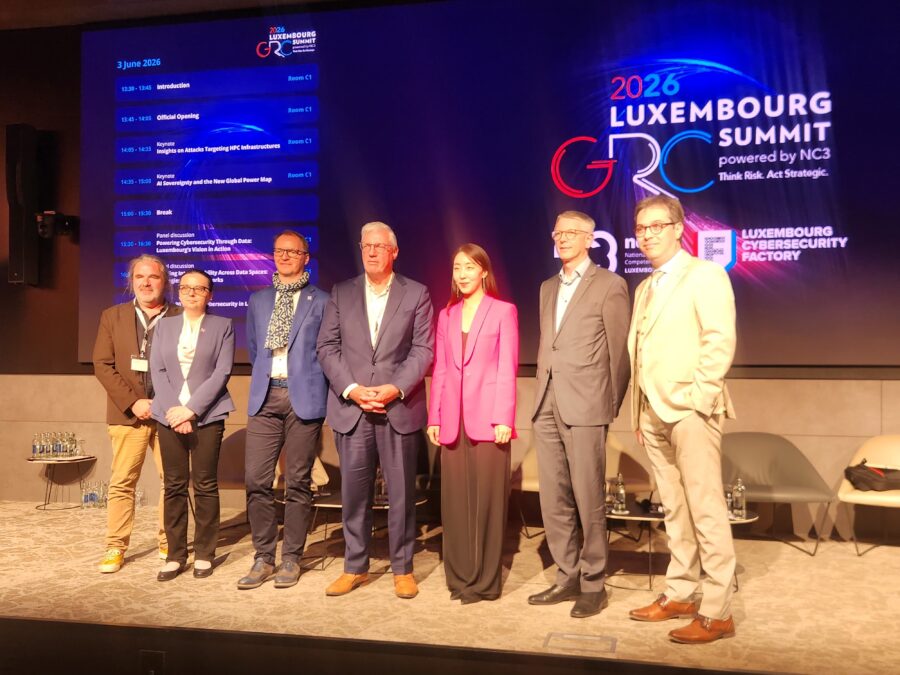
The event featured keynote addresses and high-level discussions led by government officials, cybersecurity leaders, and digital governance experts. The Summit opened with introductory remarks by Pascal Steichen, Founder and CEO of the Luxembourg House of Cybersecurity (LHC), followed by an official opening address by Carole Brückler, Director for Industry, New Technologies and Research at the Ministry of the Economy of Luxembourg.
The program also included keynote presentations on cybersecurity and digital sovereignty, including “AI Sovereignty and the New Global Power Map” delivered by Luc Dockendorf, Ambassador for Cybersecurity and Digitalization at Luxembourg’s Ministry of Foreign and European Affairs.
Organized with the support of the Luxembourg House of Cybersecurity (LHC) and powered by NC3 (National Cybersecurity Competence Center Luxembourg), the Summit served as a platform for international dialogue on digital trust, data spaces, AI governance, cybersecurity resilience, and cross-border collaboration.
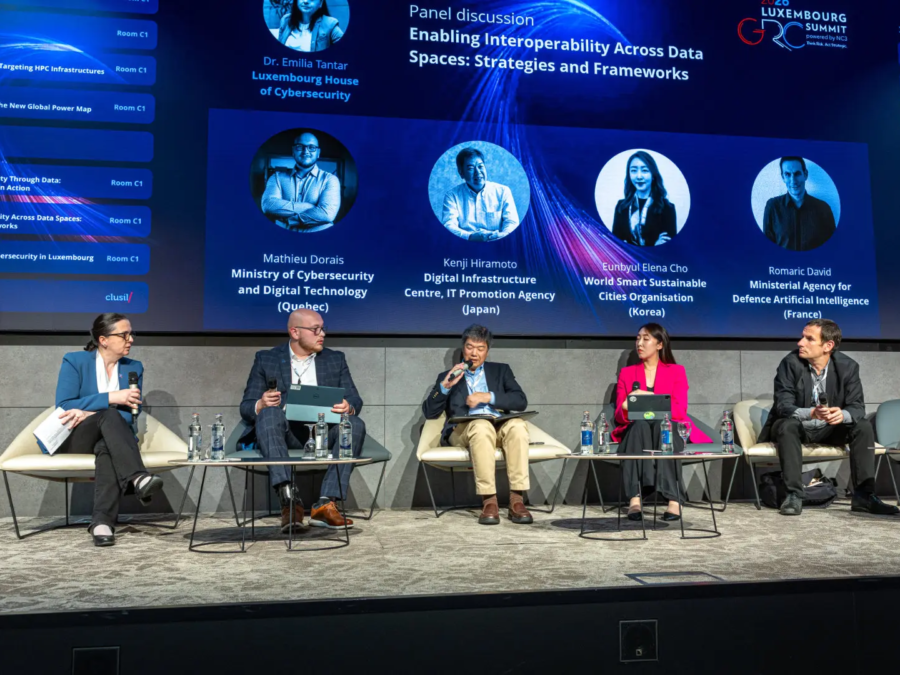
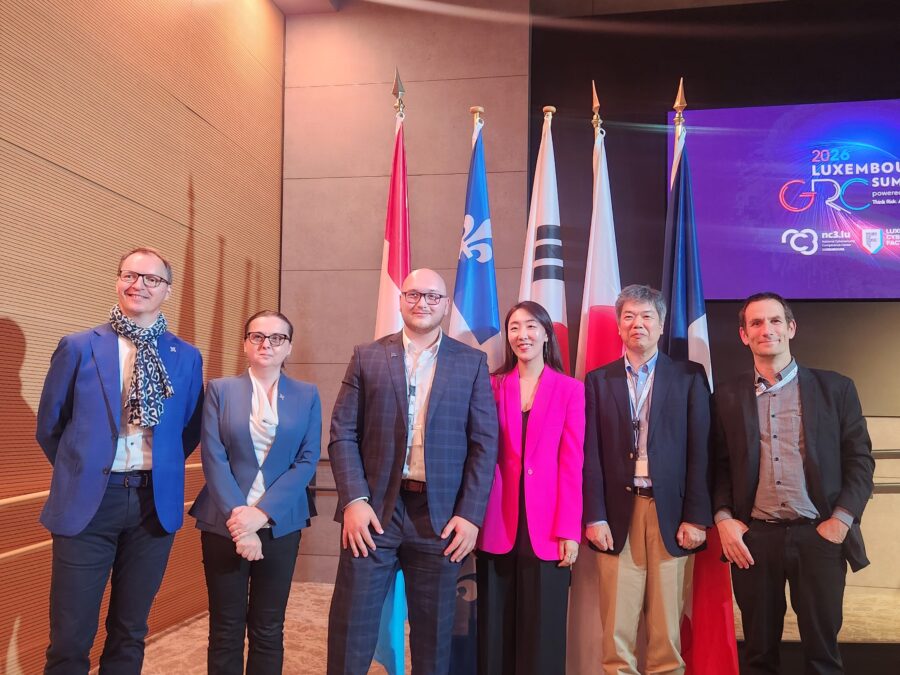
Representing WeGO, Eunbyul Elena Cho, Program Director, participated in the panel session “Enabling Interoperability Across Data Spaces: Strategies and Frameworks.”
The session was moderated by Dr. Emilia Tantar, Chief Artificial Intelligence Officer and Head of the Luxembourg Cybersecurity Factory at the Luxembourg House of Cybersecurity. Fellow panelists included Mathieu Dorais from Québec’s Ministry of Cybersecurity and Digital Affairs, Kenji Hiramoto from Japan’s AI Safety Institute, and Professor Young-Im Cho of Gachon University.
The discussion explored how governments, cities, and organizations can build interoperable data ecosystems that support trusted data sharing, effective public services, and responsible AI deployment. Panelists examined both technical and governance dimensions of interoperability, including standards, institutional coordination, cybersecurity requirements, and accountability mechanisms.
During the discussion, WeGO emphasized that interoperability should not be viewed solely as a technical issue.
“Interoperability is not simply about whether systems can exchange data. It is about whether institutions can make better decisions together.”
Drawing on WeGO’s experience as a global network of smart and sustainable cities, Ms. Cho highlighted that urban challenges such as climate resilience, mobility management, public health, and digital inclusion increasingly require collaboration across departments, sectors, and jurisdictions.
Building on insights from WeGO’s global network and initiatives such as the Seoul Smart City Prize, Ms. Cho noted that cities increasingly require interoperable governance models that connect data, institutions, and public services while ensuring transparency, trust, and citizen-centered outcomes.
A key theme of the session was the relationship between interoperability and artificial intelligence. As cities expand the use of AI-enabled public services, interoperable and trustworthy data ecosystems become increasingly important for ensuring transparency, accountability, and public trust.
“In the AI era, interoperability becomes a condition for accountability.”
WeGO also emphasized that data spaces should not be viewed merely as technical repositories but as governed environments built on trust, shared rules, transparency, and public value. Effective interoperability must ultimately contribute to better public services and improved outcomes for citizens.
The organization further highlighted the complementary roles of international standards and city networks in advancing digital transformation. While standards provide a common framework and language, city networks play a critical role in supporting implementation through peer learning, capacity building, and knowledge exchange.
Participation in the Luxembourg GRC Summit provided WeGO with an opportunity to contribute a city-level perspective to global discussions on interoperability and AI governance while strengthening engagement with international experts working on data governance, cybersecurity, standards, and digital policy. The discussion also reinforced the importance of international cooperation in ensuring that emerging data spaces and AI ecosystems remain trustworthy, interoperable, and focused on generating public value.
As cities continue to navigate increasingly complex digital ecosystems, WeGO remains committed to promoting human-centered digital transformation, accountable AI governance, and international cooperation that generates meaningful public value for urban communities worldwide.
Strengthening Engagement with Luxembourg Stakeholders
In addition to participating in the Summit, WeGO held a bilateral meeting with Luxembourg’s Ministry of the Economy to explore opportunities for future collaboration and engagement within the global WeGO network. The meeting was held with Jérôme Petry, Director of Circular Economy and Clean Technologies, whose work focuses on circular economy innovation, clean technologies, smart cities, and international standardization initiatives.
Particular attention was given to Luxembourg’s achievements in the Seoul Smart City Prize 2023, where the Ministry for Digitalisation of Luxembourg received the Silver Award in the Human-CentriCity category for its Digital Mandate (Digital Proxy) for the MyGuichet.lu Platform project, designed to make digital public services more accessible and inclusive.
Discussions focused on opportunities for Luxembourg stakeholders to engage more actively in WeGO initiatives, including participation in Seoul Smart Life Week (SLW) and other international smart city activities. The meeting also explored potential collaboration between Luxembourg’s smart city, digital innovation, and AI ecosystems and the global WeGO network, as well as opportunities to share Luxembourg’s experiences and best practices with member cities worldwide.
Both sides exchanged views on international smart city trends, the growing importance of city networks in accelerating innovation, and the role of global platforms such as WeGO in facilitating knowledge exchange, partnerships, and international cooperation. The discussion also touched on possibilities for deeper engagement in future WeGO governance and networking activities, including the 7th WeGO General Assembly, while exploring new avenues for collaboration between Luxembourg’s innovation ecosystem and WeGO’s global network.
About WeGO
The World Smart Sustainable Cities Organization (WeGO), is a membership-based international association of local governments, smart tech solution providers, and institutions committed to the transformation of cities into smart sustainable cities through facilitating public-private partnerships (PPP). WeGO was founded by 50 member cities in 2010 as the World e-Governments Organization, hence our acronym. In response to the evolving concept of smart cities, WeGO expanded its vision and mandate at the 4th General Assembly (2017) and its name to the World Smart Sustainable Cities Organization. WeGO’s Secretariat is based in Seoul, Korea, and has regional offices in East Asia (Chengdu, China), Africa (Abuja, Nigeria), Middle East & North Africa (Abu Dhabi, United Arab Emirates), Latin America (Cuenca, Ecuador), and Central Asia (Almaty, Kazakhstan). As the leading platform on smart city development, WeGO’s mission is to share knowledge and good practices in e-Governance; strengthen administrative efficiency and transparency; advance digital capacity; facilitate civic involvement; bridge the digital divide and inequality; and promote cooperation solidarity among cities and local governments around the world.
WeGO serves for its members as their international platform to improve the quality of life, innovate in the delivery of public services, and strengthen regional competitiveness.
Press Contact:
Name: Natália Penhalves
E-mail: natalia@we-gov.org
Phone: +82-70-4202-9169