


WeGO Champions 2026 Workshops Address the Global Housing Crisis in Geneva, Baku, and Cairo
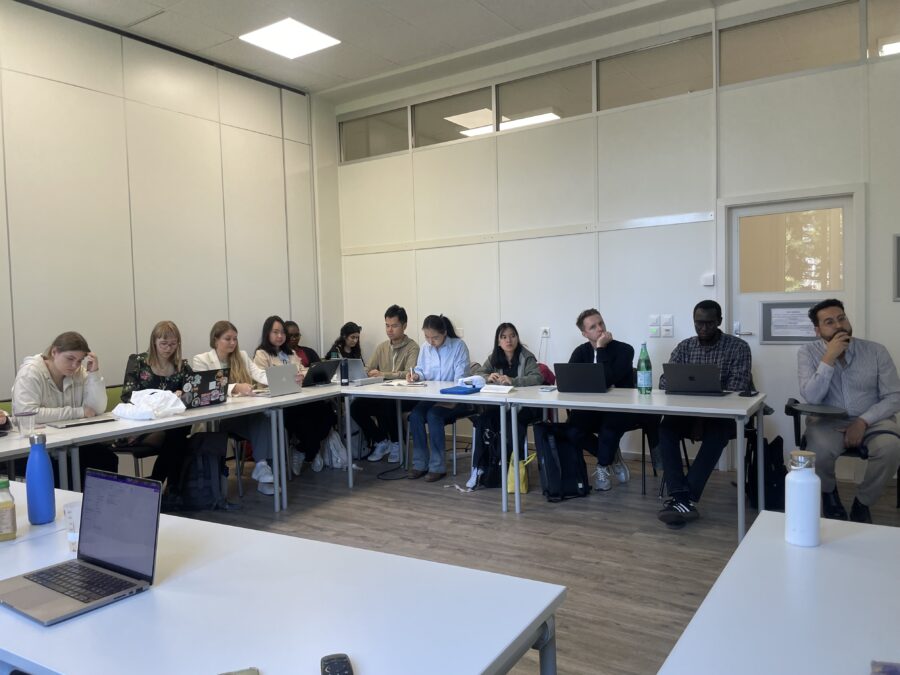
[Geneva/Baku/Cairo, May-June 2026] – The WeGO Sustainable Smart City Champions Program launched its 2026 workshop series in Geneva, Cairo, and Baku, bringing together about 100 participants. Focusing on today’s housing challenges and the long-term future of urban housing, the workshops examined how international commitments can be translated into local action through governance, institutional coordination, data-driven approaches, and community engagement.
Geneva, Switzerland: Dealing with the Housing Crisis at the International Scale
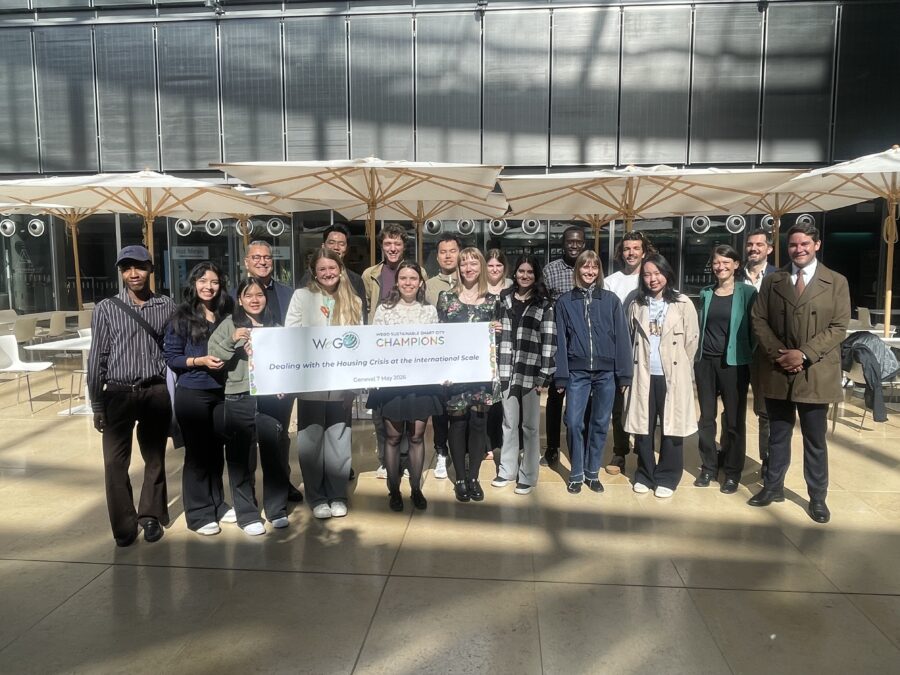
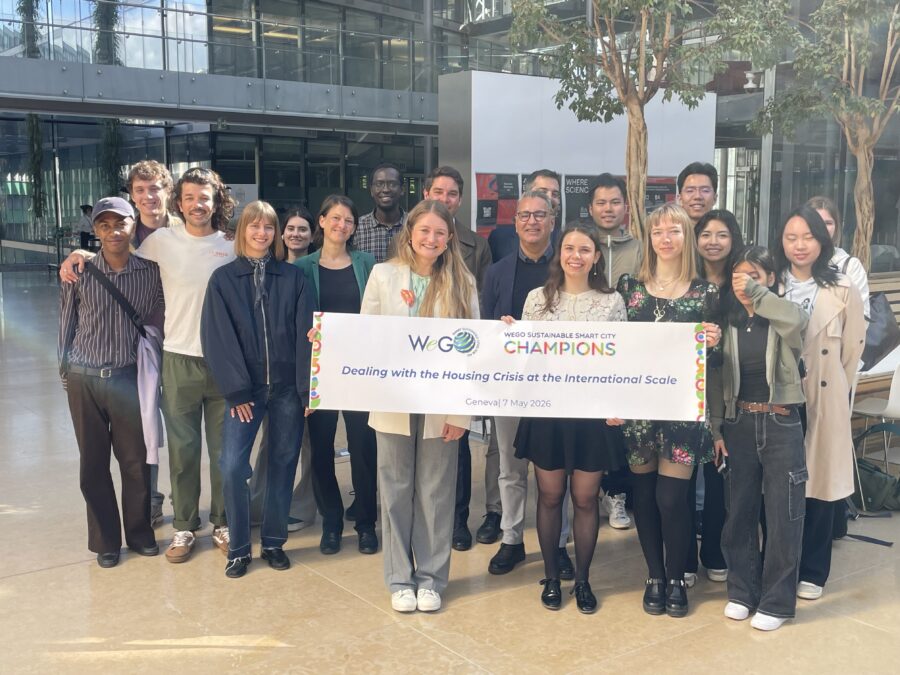
The first workshop was held on May 7 at Campus Biotech at the University of Geneva, gathering 30 participants to explore international responses to the housing crisis and the gap between multilateral commitments and city-level implementation.
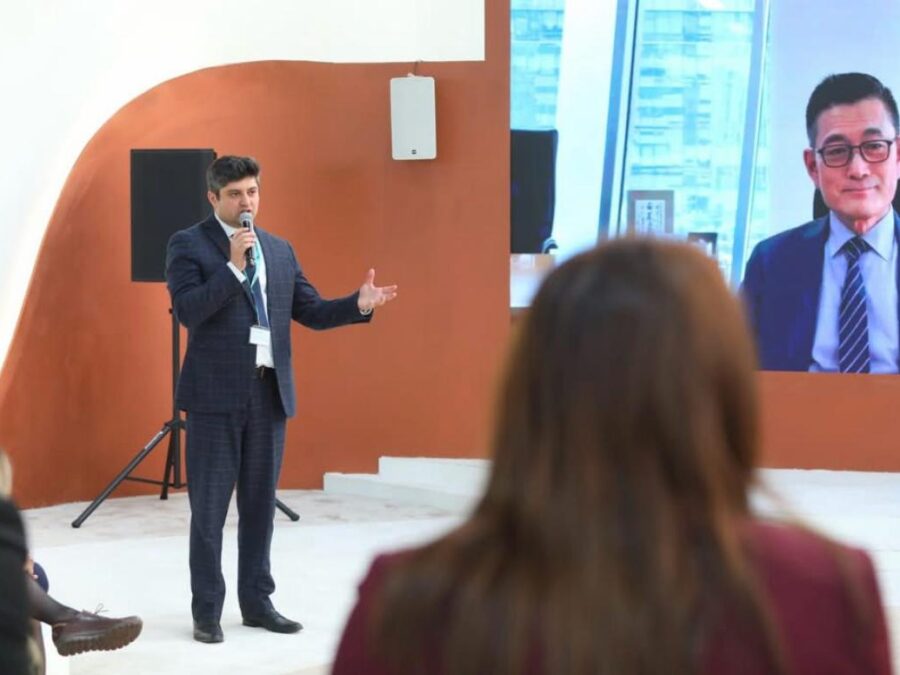
Moderated by Dr. Alexandre Hedjazi and Prof. Matteo Tarantino, the session emphasized that the housing crisis is not only a matter of supply, but also a challenge of coordination, governance, and local capacity. The session began with virtual opening remarks from WeGO Secretary General Mr. Jeong-kee Kim, who introduced the 2026 Champions season and its focus on housing as a governance challenge. Mr. Igor Litvinyuk of the Energy Division at the United Nations Economic Commission for Europe (UNECE) presented international frameworks for housing and energy management, while Ms. Maike Salize, Secretary to the Working Party on Land Administration at UNECE, highlighted the importance of secure land tenure, cadastral systems, and property-rights frameworks. Prof. Hedjazi then discussed the constraints cities face in implementing global commitments when they lack adequate tools, institutional capacity, and resources.
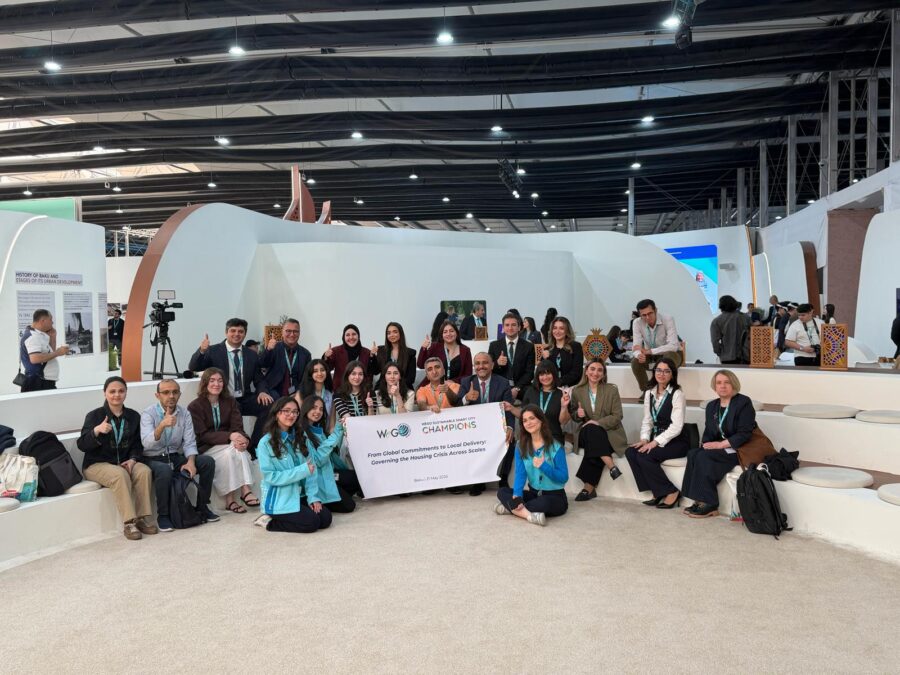
Baku, Azerbaijan: From Global Commitments to Local Delivery – Governing the Housing Crisis Across Scales
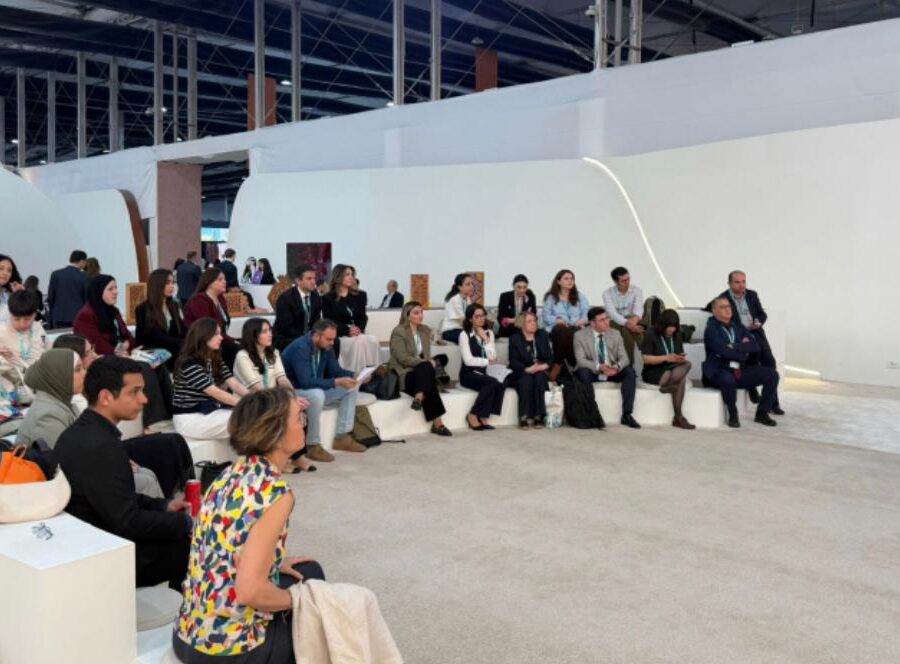
The second session was held on May 21 at the Azerbaijan Pavilion during the World Urban Forum 13 in Baku, gathering 30 participants from academia, government, international organizations, research institutions, and the urban-planning community.
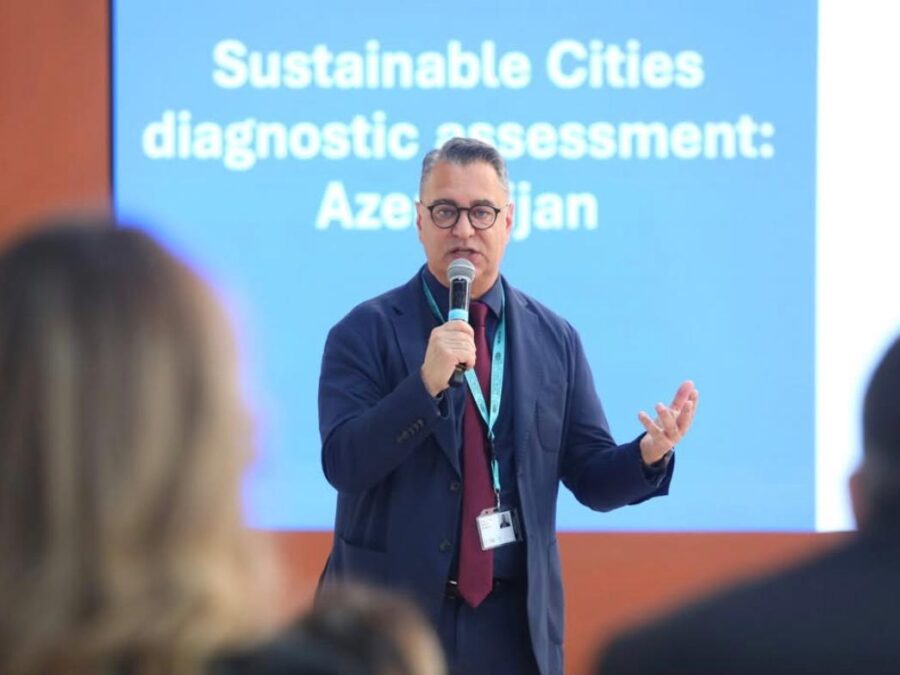
Speakers included WeGO Secretary General Mr. Jeong-kee Kim; Prof. Anar Valiyev of ADA University; Dr. Alexandre Hedjazi of the University of Geneva; Dr. Mashael Yazdanie of Empa; Dr. Tural Aliyev of the University of Geneva and Eawag; and Ms. Aysel Kerimli of Azerbaijan’s State Committee on Urban Planning and Architecture.
The session addressed rapid urbanization, housing affordability, climate resilience, and integrated planning. The speakers highlighted the need for stronger institutional capacity and coordinated planning, while introducing sufficiency-based approaches, cooperative housing models, and compact urban living as pathways toward more sustainable communities. The discussion also examined the Baku General Master Plan 2040, alongside Sustainable Development Goal 11, as a framework for advancing inclusive, resilient, and sustainable urban development.
Cairo, Egypt: Housing, Urban Regeneration, and Implementation Gaps
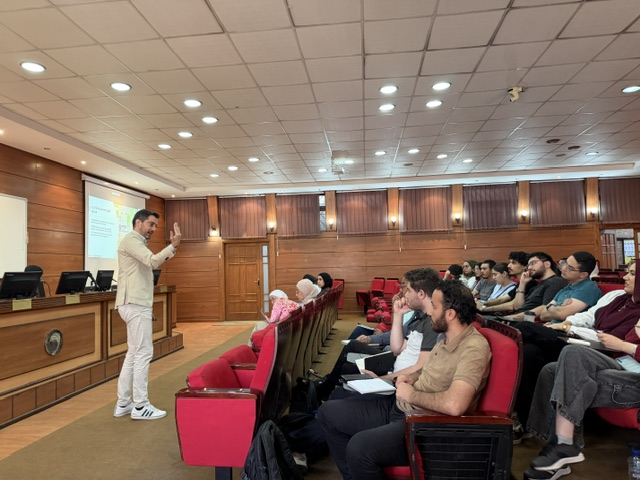
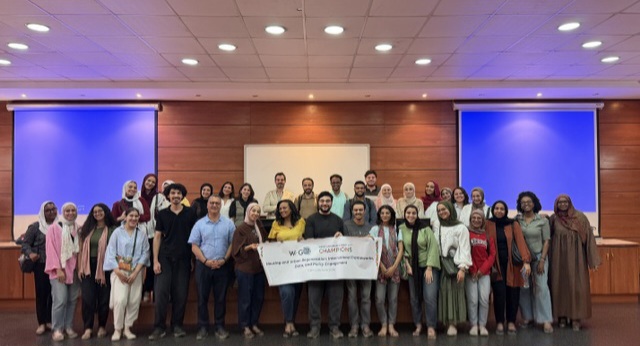
Held at Cairo University on June 4, the workshop brought together 31 students and explored how housing and urban-regeneration agendas interact with Cairo’s urban environment.
Moderated by Prof. Heba Khalil of Cairo University, the workshop featured Dr. Alexandre Hedjazi on international frameworks for urban regeneration; Prof. Matteo Tarantino on artificial intelligence, data, and digital tools for housing analysis; and Dr. Lavinia Colantoni of the Catholic University of Milan on policy engagement and communication. Ms. Hadeer Dahab of the Makanuna collective contributed a grassroots perspective on housing and community participation.
Discussions focused on the disconnect between global guidelines and local conditions, the role of data ecosystems in urban decision-making, and the importance of effective communication between institutions and communities. Participants also examined how AI and data tools could support urban regeneration efforts while remaining sensitive to equity and local realities.
Across the three workshops, the participants examined how housing affordability extends beyond the cost of individual housing units and is closely connected to access to transport, infrastructure, employment, public services, and high-quality urban environments. Together, the sessions established a shared foundation for the 2026 Champions season and reinforced WeGO’s role in connecting young leaders, experts, and public authorities in the development of inclusive urban solutions.
About WeGO
The World Smart Sustainable Cities Organization (WeGO), is a membership-based international association of local governments, smart tech solution providers, and institutions committed to the transformation of cities into smart sustainable cities through facilitating public-private partnerships (PPP). WeGO was founded by 50 member cities in 2010 as the World e-Governments Organization, hence our acronym. In response to the evolving concept of smart cities, WeGO expanded its vision and mandate at the 4th General Assembly (2017) and its name to the World Smart Sustainable Cities Organization. WeGO’s Secretariat is based in Seoul, Korea, and has regional offices in East Asia (Chengdu, China), Africa (Abuja, Nigeria), Middle East & North Africa (Abu Dhabi, United Arab Emirates), Latin America (Cuenca, Ecuador), and Central Asia (Almaty, Kazakhstan). As the leading platform on smart city development, WeGO’s mission is to share knowledge and good practices in e-Governance; strengthen administrative efficiency and transparency; advance digital capacity; facilitate civic involvement; bridge the digital divide and inequality; and promote cooperation solidarity among cities and local governments around the world.
WeGO serves for its members as their international platform to improve the quality of life, innovate in the delivery of public services, and strengthen regional competitiveness.
Press Contact:
Name: Natália Penhalves
E-mail: natalia@we-gov.org
Phone: +82-70-4202-9169